
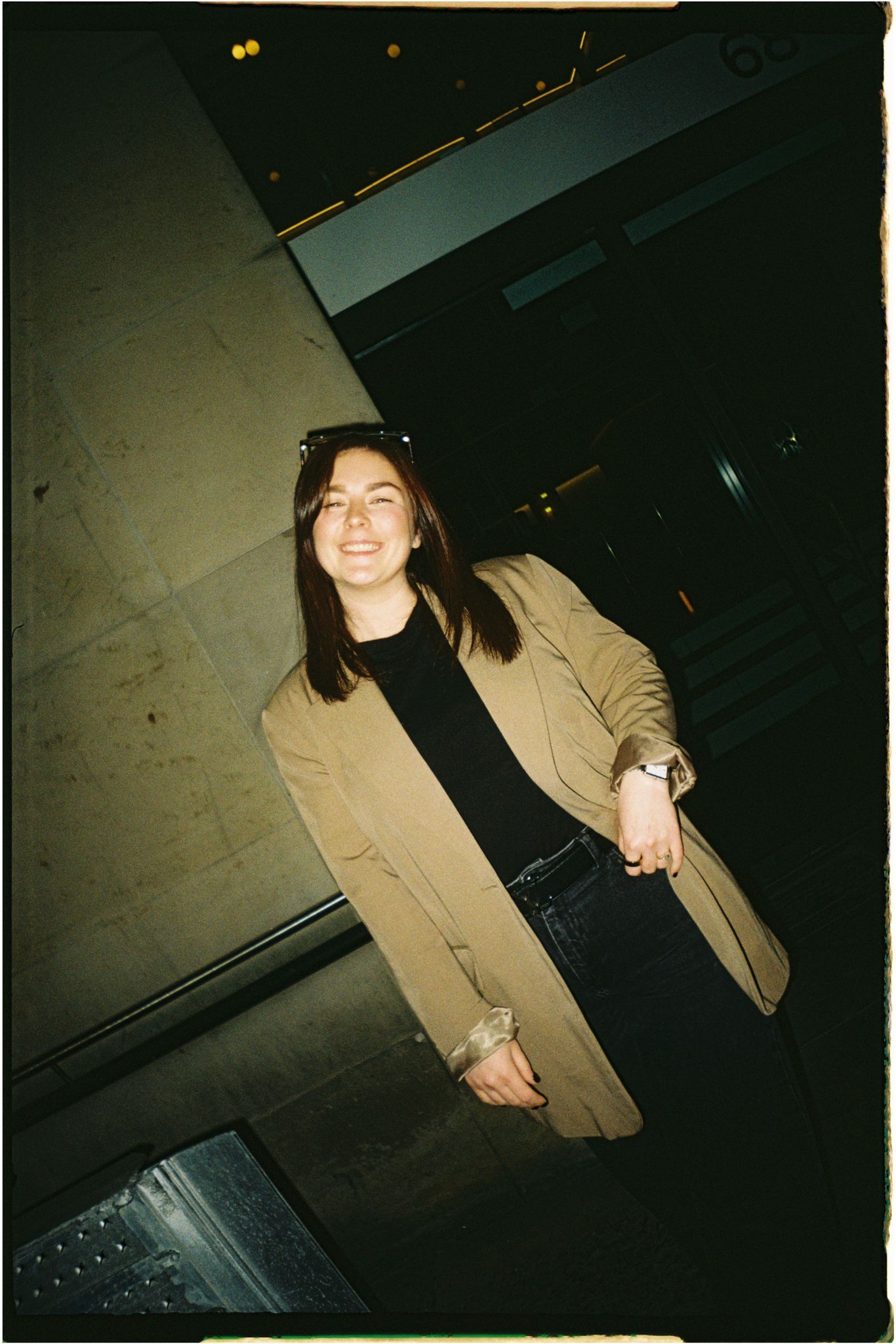

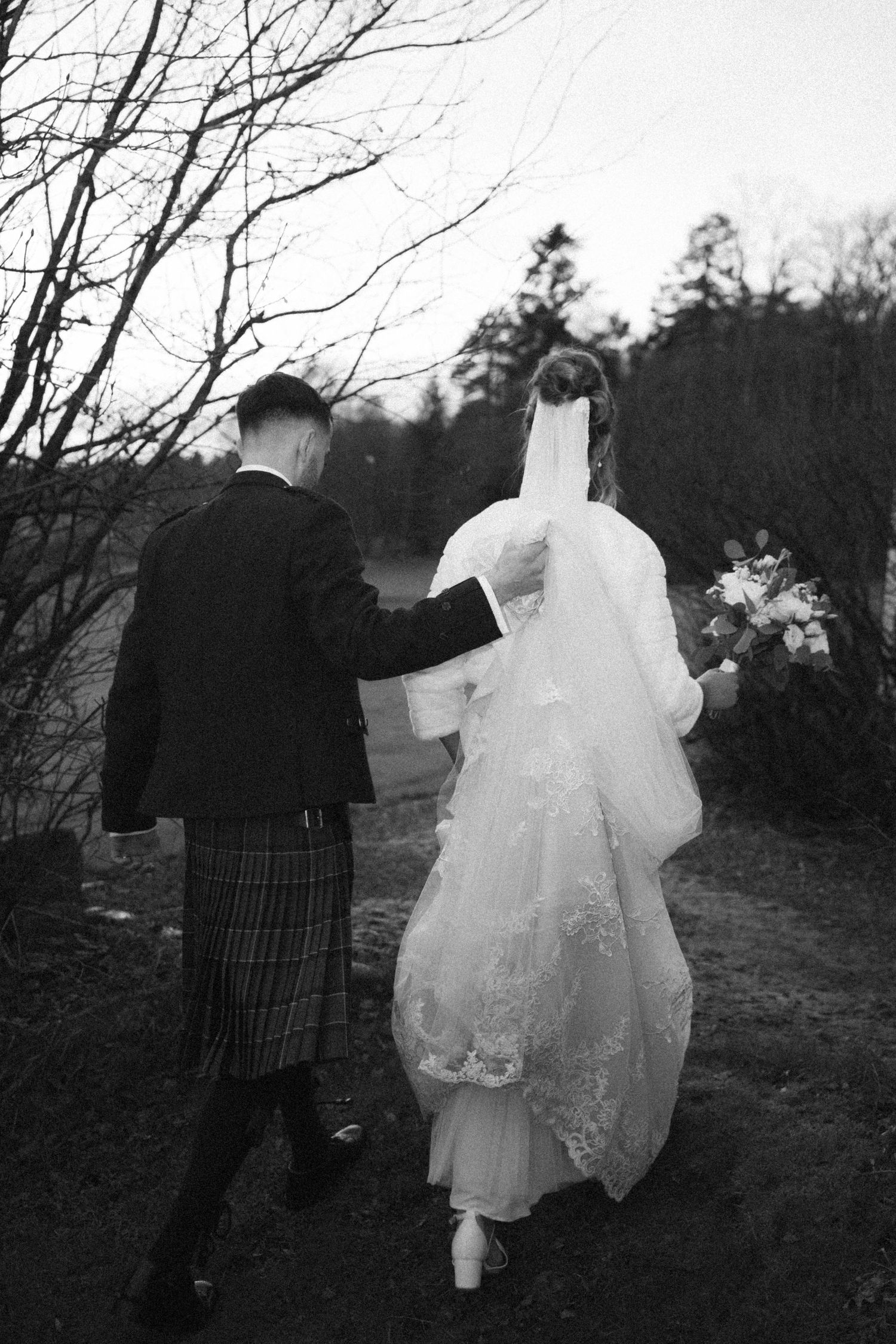

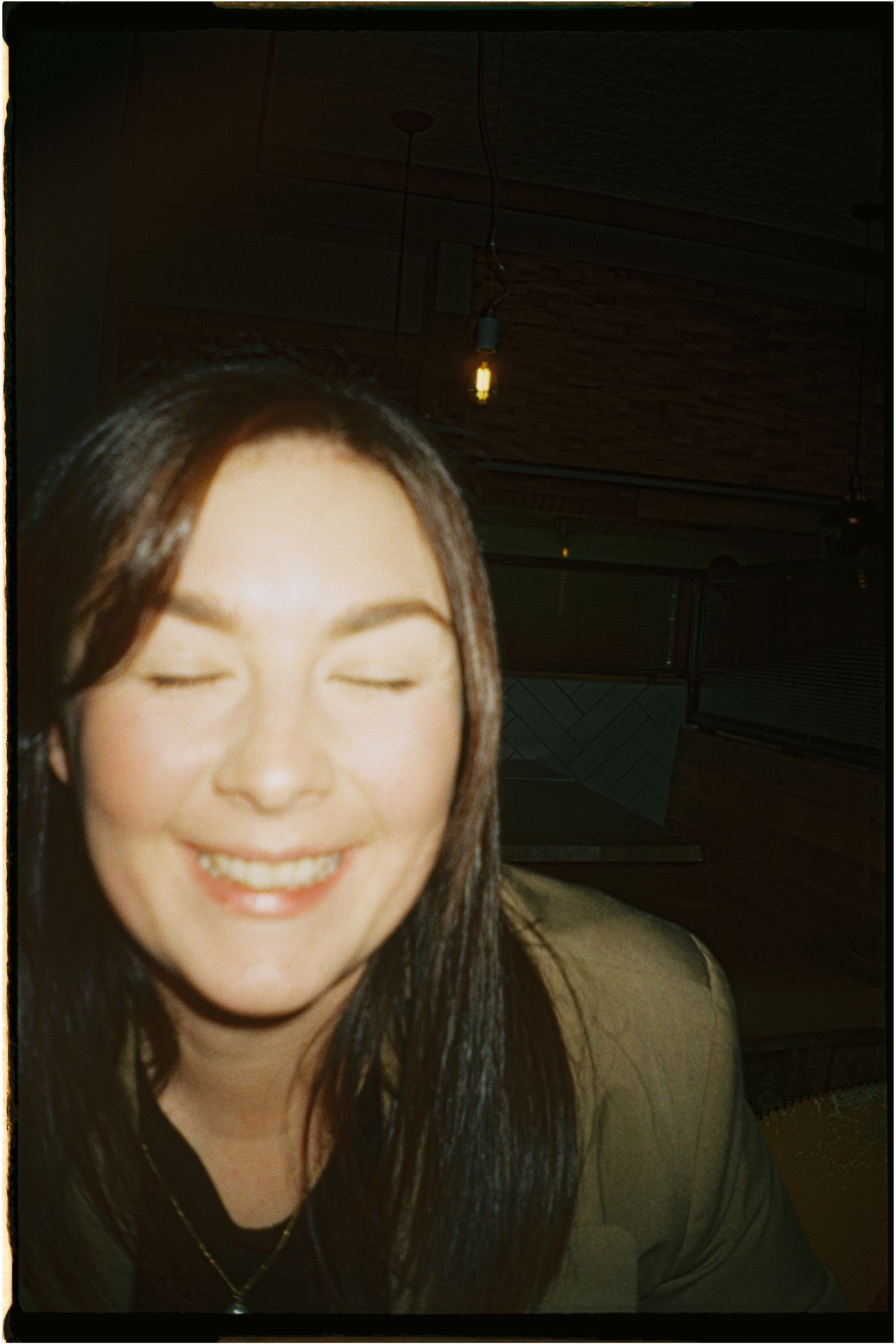
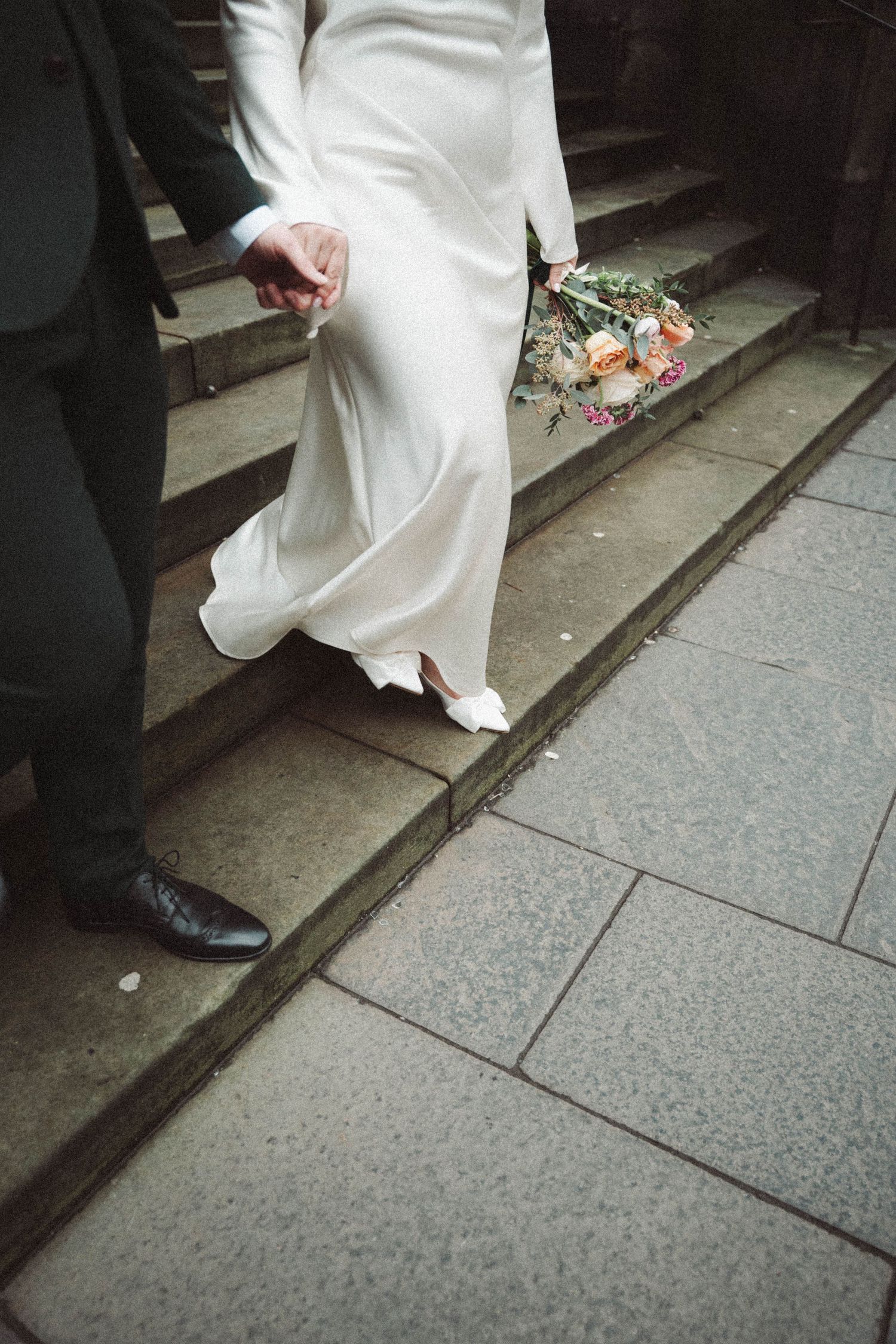

Last September, I got married and with that came a new name.
Abbie Moir.
And if I’m honest, for a long time I said I wasn’t going to change it.
Not because I didn’t love the idea of it, but because I had built something under my maiden name. My work, my business, my identity, it all lived there.
And I think a lot of brides feel that shift too.
You spend so long becoming one version of yourself, and then suddenly, you’re stepping into something new. A new name, a new chapter… and you’re figuring out how that fits without losing who you already are.
That’s exactly what this season has felt like for me.
This change wasn’t instant. It took time. Sitting with it. Questioning it. Letting it settle.
Because I didn’t just want to change my name.
I wanted it to feel right.
The Question That Started It All
When I first started thinking about rebranding, I kept coming back to one question:
*What do I actually want my work to feel like?*
Not how it looks on Instagram.
Not what performs well.
Not what’s trending.
But what it feels like to the people in the photos.
And the answer was always the same.
I want it to feel like memory.
Not staged. Not performative. Not rushed.
Just honest, lived-in, emotional moments that people can come back to years from now and still feel.
That became the foundation for everything.
Why This Matters To Me
I’ve always been someone who holds onto things.
Old photos, cards, letters, the kind of things that might not mean much to anyone else, but carry entire memories for me.
I think about my grandparents’ old photo albums sometimes. The way the pages feel, the slight fading in the images, the stories that sit behind each one.
I love how a photograph can take you straight back.
Not just to how something looked, but how it felt.
The atmosphere. The people. The small, in-between moments you didn’t even realise were important at the time.
That’s what I come back to, again and again.
Because years from now, your wedding photos won’t just be images.
They’ll be reminders of voices you haven’t heard in a while.
Of people who were there.
Of moments that passed too quickly.
They become part of your history.
And that’s why I care so much about how I document a day.
Not for how it looks in the moment but for how it will feel in ten, twenty, fifty years.
Working With Sophie - Turning Feelings Into Something Tangible
I knew I didn’t want to figure this out on my own.
So I worked with Sophie, a brand and marketing consultant, to properly define what my business stands for, not just visually, but emotionally and strategically.
But what made that process even more special is that Sophie isn’t just someone I worked with…
She’s also one of my brides.
I’ll be photographing her wedding next year, which made the whole experience feel incredibly aligned. We weren’t just building a brand from the outside we were shaping something with a shared understanding of what this work really means, both professionally and personally.
Together, we stripped everything back.
We looked at why I care so much about what I do, what kind of couples I want to work with, what I don’t want my work to become and how I want people to feel, from the first enquiry to receiving their gallery
One of the biggest shifts was moving away from thinking about photography as 'content'.
Instead, we built the brand around the idea of photography as something much more lasting something that holds memory, emotion, and meaning over time.
That process gave me clarity I didn’t even realise I was missing.
The Visual Direction - Built From What I’ve Always Loved
Once the strategy felt right, everything visual started to fall into place but in reality, it was already there.
I’ve always been drawn to things that feel lived-in.
Old books with worn pages.
Photo albums that have been passed down.
Paper with texture, edges that aren’t perfect, ink that’s slightly faded.
The kind of things that hold history.
So it made sense that the brand would lean into that.
You’ll see it in the textures, soft paper tones, subtle grain, details that feel tactile rather than flat. Nothing too polished, nothing too perfect.
Because memory isn’t perfect. And I never want my work to feel like it is.
Typography played a big part in that too.
There’s a mix of structure and softness typefaces that feel timeless and grounded, paired with elements that feel more handwritten, like notes in the margins or words written just for someone.
There’s even a quiet influence of typewriter-style lettering in parts of the brand. That slightly imperfect, pressed-into-paper feeling, like something that’s been written, kept, and revisited over time.
The colour palette follows the same idea.
Earthy greens, warm neutrals, soft creams, deeper ink tones.
Colours that feel calm and familiar. Nothing overpowering. Nothing that pulls attention away from the moment itself.
It all comes back to the same place.
I didn’t want a brand that felt designed for the sake of it.
I wanted it to feel like an extension of how I already see the world.
Something grounded. Something nostalgic. Something that feels like it’s been there all along.
In a way, the brand now feels like the photographs I’ve always been trying to create, I just didn’t have the words for it before.
The Meaning Behind the Details
Every part of the brand has been chosen with intention.
The letter icon is probably my favourite.
It represents how I want your photos to feel, like something written just for you. Personal, intimate, and worth keeping. Like a love letter you come back to over time.
And then there’s the hay.
This one is more personal.
It’s a small nod to my family, my upbringing, and my maiden name. A reminder of where I’ve come from.
In a season where so much felt like it was changing, it was important to me to hold onto something that hadn’t.
Because even though my name has changed, those roots haven’t.
That part of me will always be woven into what I do.
Refining My Style — Letting It Feel Like It Felt
Alongside the rebrand, I’ve spent a lot of time quietly refining how I actually work, especially when it comes to editing.
For a long time, I think I was still finding my way with it. Trying things, adjusting, learning what felt right and what didn’t.
But the more I came back to the idea of memory, the clearer it became.
I didn’t want my images to feel overly polished or trend-led.
I didn’t want colours that felt too perfect or moments that felt altered.
I wanted them to feel like they were remembered.
That’s where this softer, more film-like direction has come from.
More muted tones.
Gentle contrast.
Colours that feel true to life, but slightly softened, like how memories naturally fade and settle over time.
There’s a warmth to it, but also a calmness.
Nothing harsh. Nothing distracting. Nothing pulling you out of the moment.
Just enough to hold onto what was already there.
And a lot of this has come from slowing down.
Taking more care in how galleries are put together.
Letting moments breathe instead of rushing through them.
Paying attention to the small shifts in light, colour and feeling across a full day.
Because editing isn’t just about how an image looks.
It’s about how it’s remembered.
And for me, that will always matter more than anything else.
How I Shoot - Being In It, Not Controlling It
The way I shoot has evolved just as much as the way I edit.
And in a lot of ways, it’s become simpler.
I’m not there to control your day.
I’m not there to turn it into something it’s not.
I’m there to observe it as it naturally unfolds.
To notice the in-between moments.
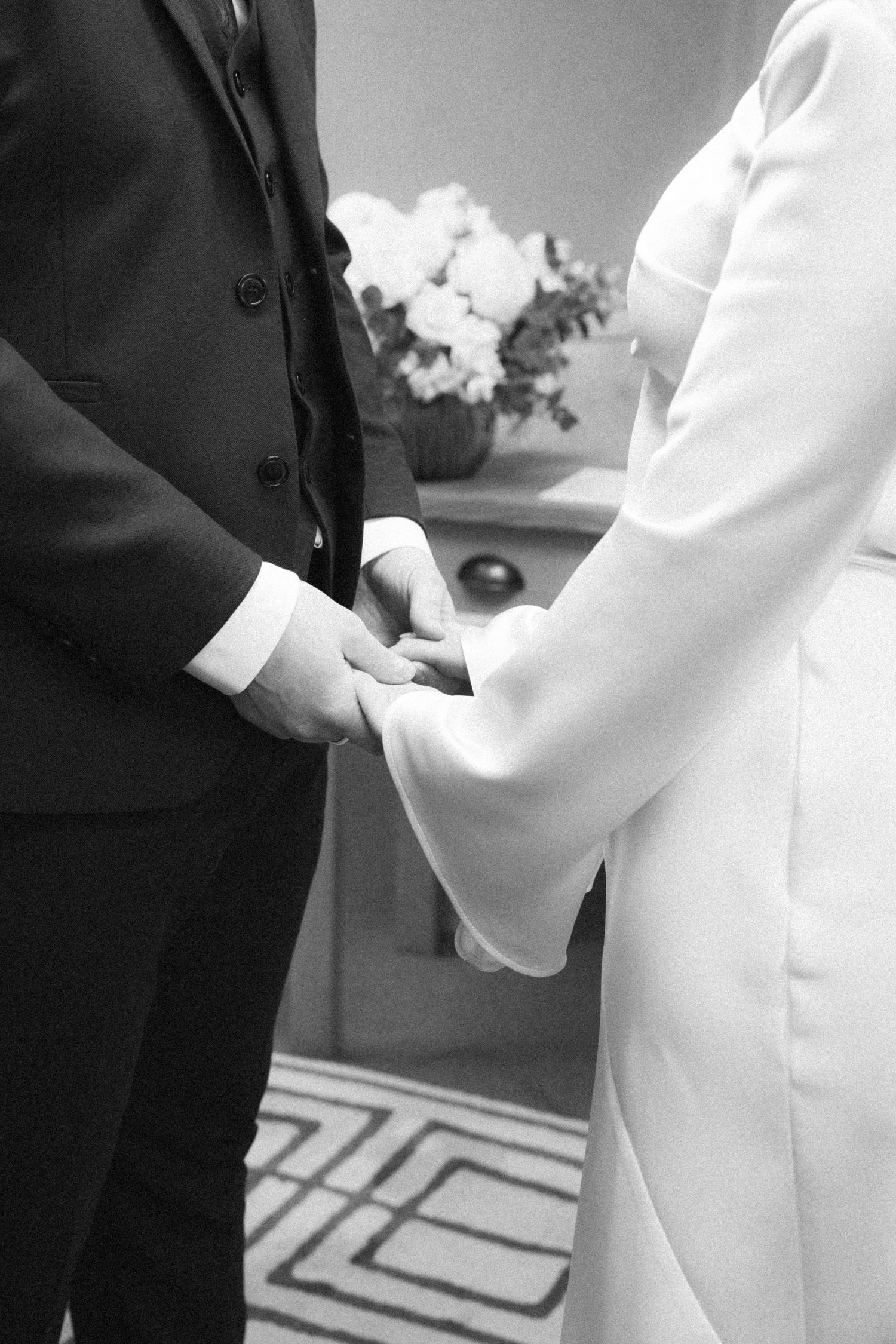
The way your hands find each other without thinking.
A quiet hand squeeze during the ceremony.
The small interactions happening just outside of the main events.
There’s very little forced or overly directed.
Of course, there are moments where guidance is needed, gently stepping in to help things flow or to give you space to just be together without distraction.
But even then, it’s never about posing for the sake of it.
It’s about creating the conditions for something real to happen.
I’ll often step back. Let moments breathe. Let things unfold fully before lifting the camera again.
Because some of the most meaningful images come from what happens just after you think the moment is over.
That’s the part I’m always watching for.
The result is a way of shooting that feels calm, unobtrusive, and honest.
Where you’re not performing.
You’re just living it.
More Than Just Photos
One of the biggest things I’ve realised through this process is that what I offer was never just about the photographs.
It’s about how the day feels to you while you’re in it.
Weddings can be overwhelming. Fast-moving. Emotional in ways you don’t always expect.
And my role in that goes far beyond documenting what’s happening.
It’s being a steady presence in the background.
Someone who notices when things feel like too much.
Someone who gently steps in when needed, and steps back when it matters.
It’s making sure you feel comfortable enough to be yourselves, not aware of the camera, not performing, not being directed into something that doesn’t feel natural.
Because the best moments don’t come from being told what to do.
They come from feeling safe enough to just exist in it.
That’s where everything shifts.
That’s where the real moments happen.
The quiet ones. The emotional ones. The ones you don’t plan for.
The photographs are a result of that, not the starting point.
And that’s why care will always sit at the center of what I do.
Not as an extra, but as the foundation for everything else.
A More Considered Experience - From Start to Finish
Alongside everything else, I’ve also made changes to how your experience feels from the moment you enquire through to receiving your photographs.
Not in a way that’s complicated or over-structured.
But in a way that feels more considered.
I’ve moved to a new platform that allows everything to feel more seamless, more organised, and more personal.
Your galleries. Your communication. The way everything is delivered.
It’s all been designed to feel calm and easy to move through, not overwhelming, not rushed, not transactional.
Because I don’t see this as a quick service.
This is something you’ll return to, again and again.
So the experience of receiving your photographs matters just as much as the photographs themselves.
From the way your gallery is presented, to how it’s curated, to how it feels to sit and go through it for the first time.
It should feel intentional.
Something to take your time with.
Something to come back to.
Just like the images themselves.
What This Means Going Forward
This new chapter isn’t about doing something completely different.
It’s about doing what I’ve always done, just more intentionally, and with a clearer sense of who it’s for.
For couples who care more about how their day feels than how it looks.
Who aren’t interested in performing for the camera.
Who want to be present in it, not pulled out of it.
For the quiet moments. The in-between ones.
The ones that don’t seem like much at the time, but end up meaning everything later.
This shift has allowed me to refine not just how I work, but why I work the way I do.
To slow things down.
To be more considered.
To hold each part of the process with more care.
So that when you look back at your photographs, you don’t just see your day.
You feel it.
And you recognise yourselves in it.
That’s what this is all moving towards.
And that’s what will stay at the center of everything I do.
Thank You
If you’ve been here for a while, thank you for growing with me.
And if you’re new here, welcome. I’m really glad you found your way here.